

ABA Layers Blown Film Extrusion for Barrier Films
ABA Layers Blown Fil
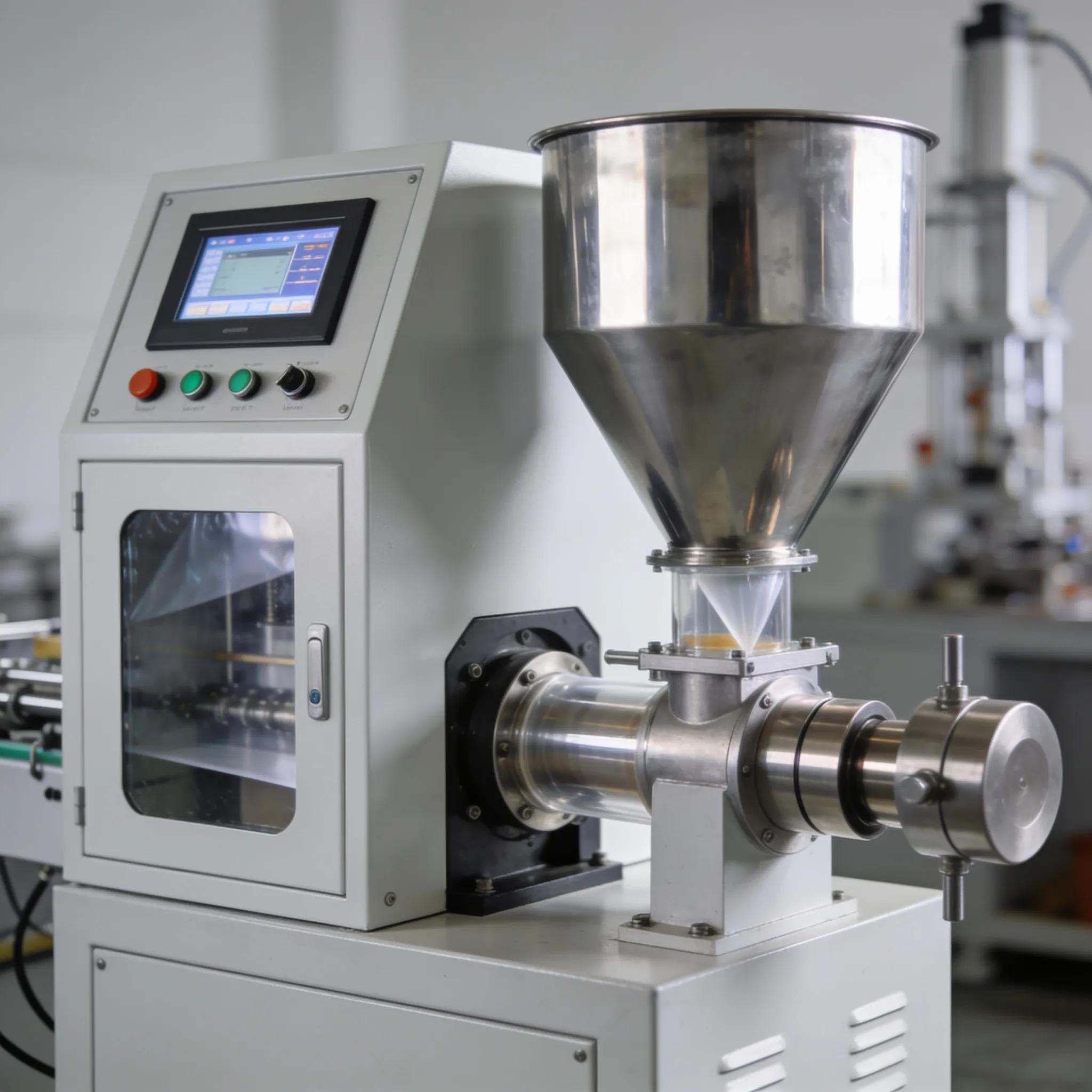
Mini blown film extrusion machines have transformed the landscape of small-scale production, offering a compact yet efficient solution for manufacturers aiming to produce high-quality plastic films. These machines operate on the principles of blown film extrusion, a process pivotal in creating various plastic products used in packaging and agricultural films. This article delves into the workings, specifications, applications, and innovations of these machines, providing essential knowledge for those considering their use in small production environments. By understanding the technical intricacies and operational guidelines, manufacturers can optimize their production quality and efficiency while making informed decisions on equipment use.
Blown film extrusion is a manufacturing process used to create plastic films by extruding molten polymer through a circular die, which is then inflated to form a tube before cooling and flattening. In miniature machines, the process retains the fundamental mechanics of traditional blown film systems but is compacted to accommodate smaller production runs. This scaling down allows manufacturers to achieve versatility without sacrificing quality. Understanding this process is crucial in appreciating how these machines can meet the needs of small-scale production.
The operation of small-scale blown film extruders involves several key components: the hopper feeds the polymer into the extruder, where it is melted and pressed through an extrusion die. The tube of molten film is then inflated and cooled. This method allows for the continuous production of films which can be later cut and rolled. These compact machines often include features that enhance their efficiency, such as adjustable die gaps and temperature controls, enabling users to optimize the extrusion process based on their specific polymer and product requirements.
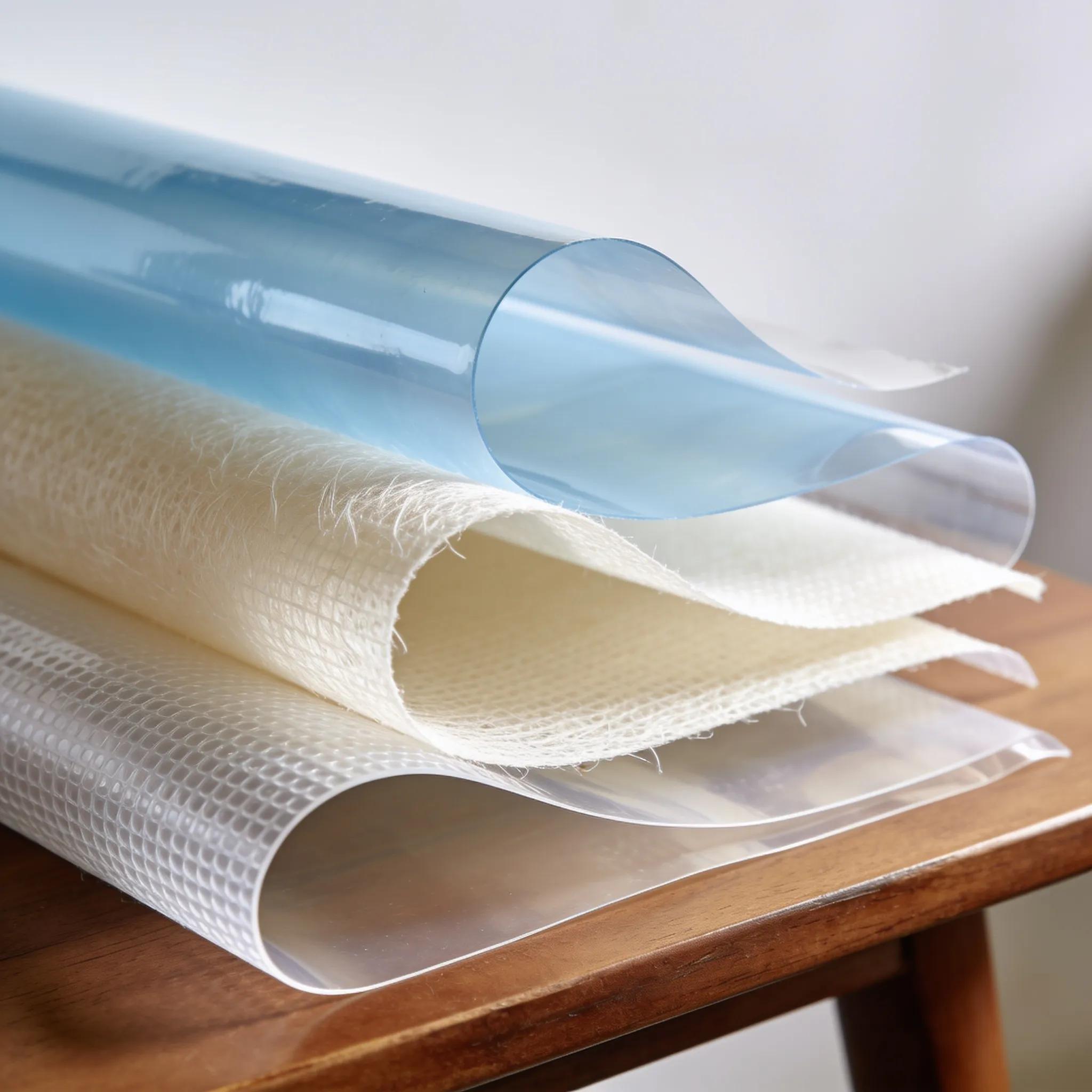
Mini blown film extruders are compatible with a variety of polymer types, including polyethylene (PE), polypropylene (PP), and polyvinyl chloride (PVC). Each material offers unique properties that suit different applications; for instance, PE is commonly used for its excellent barrier properties and flexibility. When selecting polymers, manufacturers should consider factors such as compatibility with the extruder, desired film characteristics, and end-use application, ensuring optimal performance and film quality.
When assessing mini blown film extrusion machines, several technical specifications are crucial. These include production capacity, dimensions, and performance metrics that align with manufacturing goals. Understanding these specifications is essential for selecting the appropriate machine for specific production needs.
Typical production capacities for portable blown film machines can range from 10 to 100 kg per hour, depending on the model and extrusion configuration. Dimensions are influenced by design, with compact units often measuring less than 1 meter in width and height. Manufacturers should consider both production capacity and machine footprint to ensure that the equipment fits within their operational space while meeting production goals.
Extrusion speed plays a vital role in determining the output and quality of the final film product. Higher speeds generally lead to increased throughput; however, they may also impact the film’s thickness uniformity and surface quality. Power consumption is an equally important factor, as efficient models reduce energy costs while maintaining optimal extrusion performance. Therefore, manufacturers need to balance speed and power considerations to achieve both efficiency and product quality.
Compact mini blown film extrusion systems serve various industries by producing films for numerous applications. These versatile machines support operations that require flexibility and responsiveness to market demands, particularly suitable for small production runs.
In the packaging sector, mini blown film extruders can produce bags, liners, and wraps tailored to customer-specific requirements. These machines facilitate the creation of customized films, meeting demands for size, thickness, and material properties. Additionally, in agriculture, they allow for the development of protective films for greenhouse covers and crop protection, significantly enhancing productivity and efficiency in these applications.
Small-scale blown film extrusion machines are particularly beneficial for research and development purposes. Their compact and versatile design supports rapid prototyping and experimentation, allowing researchers to test new materials and film characteristics in a cost-effective manner. This adaptability fosters innovation in product development, ultimately leading to improved formulations and film performance.
Film thickness control is critical in the blown film extrusion process, directly influencing the physical properties and performance characteristics of the final product. Achieving precise thickness regulation ensures consistent quality and application suitability across diverse uses.
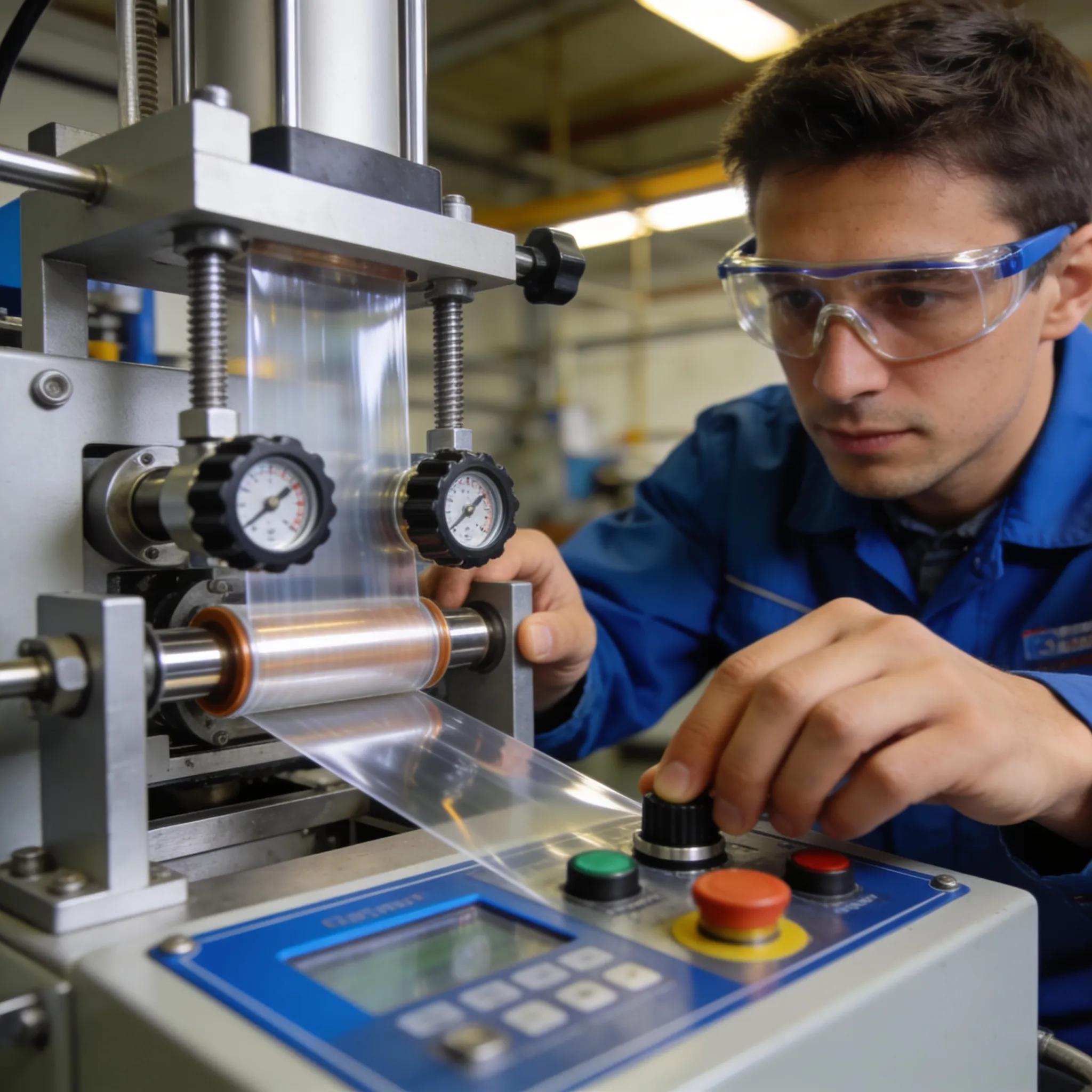
Mini blown film extruders utilize various mechanisms for regulating film thickness, including adjustable dies, air pressure controls, and screw speed variations. These features allow operators to achieve the desired film thickness tailored to specific requirements, ensuring optimal performance in end-use applications. Regular adjustments and careful monitoring are essential to maintain these settings throughout the extrusion process.
Precise control over film thickness can greatly affect properties such as strength, clarity, and barrier performance. Films that are inconsistently thick may experience issues such as weak spots or uneven barrier properties, which can lead to product failure in applications like food packaging or protective films. Thus, maintaining strict thickness control directly correlates to enhanced product quality and consumer satisfaction.
Regular maintenance and effective troubleshooting practices are essential to the longevity and performance of mini blown film extrusion machines. Proper care can prevent downtime and costly repairs, ensuring continuous operation in production environments.
Maintenance routines should include regular checks and cleaning of the extruder, including the die, barrel, and cooling system. Lubrication of moving parts and inspections for wear and tear should be performed routinely. Following the manufacturer’s guidelines for maintenance schedules and procedures is crucial in keeping machines operating efficiently and extending their lifespan.
Common operational issues may include inconsistent film quality, reduced throughput, or mechanical failures. Diagnosing these problems typically involves checking several parameters such as temperature, pressure, and feed rates. Quick resolution strategies may include adjustments to operating conditions, replacing worn components, or recalibrating settings to restore optimal performance.
The blown film extrusion industry continues to evolve with exciting innovations aimed at enhancing operational efficiencies and reducing energy consumption. Staying informed of these advancements is vital for manufacturers seeking to leverage the latest technologies.
Recent innovations include the integration of advanced control systems that optimize temperature and extrusion speed in real time, leading to improved energy efficiency and film quality. Smart technologies facilitate predictive maintenance, allowing manufacturers to anticipate issues before they result in downtime, thereby optimizing production schedules and reducing operational costs.
Compact blown film machines often incorporate energy-efficient components that decrease power consumption during the extrusion process. Innovations like variable speed drives, thermal insulation, and energy-recovery systems contribute to sustainability efforts, allowing manufacturers to reduce their environmental footprint while maintaining high production standards. Understanding these trends can help businesses adopt practices that align with modern sustainability goals and improve their operational effectiveness.
ABA Layers Blown Fil

Understanding the Fi

Introduction to Mill

How to operate plast