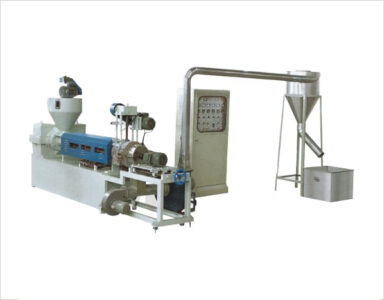
How to Fix Plastic Pelletizing Machine Gearbox Noises and Overheating: A Practical Guide for Ghana Recycling Plants
If you run a plastic recycling factory in Accra, Kumasi, or anywhere in Ghana, the gearbox is the part that carries power from the motor to the screw. One of the more worrying problems is when the transmission starts making loud grinding or clanking noises, or gets too hot to touch.
Operators in local West African yards call this “gearbox knocking,” “gearbox overheating,” or “transmission noise.” When the gearbox fails, the whole line stops. In Ghana, where electricity tariffs and power challenges already strain the budget, ignoring a noisy or hot gearbox usually leads to shattered gear teeth or a seized bearing — expensive to replace and weeks of downtime.
Why Does Your Plastic Pelletizing Machine Suffer from Gearbox Noises and Overheating?
Many supervisors suspect the gearbox is poor quality the first time they hear an unusual sound. In most Ghanaian workshops, though, gearbox noise and heat usually trace back to lubrication neglect, workshop dust, or mechanical misalignment.
The first cause is oil starvation or degraded gear oil. Gearboxes run under continuous torque and high temperature, so the oil breaks down and loses its film strength over months of production. If operators do not check the sight glass or change the oil on schedule, the gears rub metal on metal, producing frictional heat and a metallic howl.
The second cause is dust, sand, and plastic debris settling on the housing. In many yards the air carries dirt from crushed HDPE jerry cans or dirty LDPE water sachets, and it coats the gearbox. A thick layer acts like a blanket, holding heat in and slowing the casing’s natural cooling, so the oil temperature climbs.
The third cause is bearing wear and shaft misalignment from mechanical shocks. A sudden jam — a bolt or a cold plastic lump in the barrel — sends a sharp counter-torque through the gearbox internals. That shock can crack a bearing cage or nudge the shafts out of line, and the misaligned teeth then knock as they try to mesh.
Step 1: Checking Oil Levels and Flushing the Gearbox with Fresh Lubricant
Start with the lubrication system. Have the operator check the oil sight glass on the side of the gearbox while the machine is stopped.
If the oil looks pitch black, thin like water, or has dropped below the minimum line, drain the old fluid during a weekend shift change. Lock out the main breaker and let the oil cool before opening the drain plug — hot gear oil can burn, so wear heat-resistant gloves.
Before refilling, flush the inside with a light flushing oil to wash out the metal filings that settle at the bottom. Refill with a fresh gear oil of the grade the gearbox maker specifies — many extrusion gearboxes run ISO VG 220 or 320. Fresh oil restores the film between the gears and improves heat transfer; if the noise drops with the new oil, lubrication was the cause. If it does not, the sound is pointing to the bearings or alignment, and Step 3 is where to look.
Step 2: Cleaning the Housing Casing and Improving Workshop Ventilation
If the oil is clean but the housing still runs hot, the problem is dirt acting as insulation. Have the team use an air compressor blowgun to clear the dust, plastic particles, and grease caked onto the cooling fins of the gearbox.
Clean fins radiate heat far better than a dust-covered casing. On hot Ghanaian afternoons, a dedicated industrial floor fan blowing cool air across the housing is a low-cost way to keep the oil temperature within safe limits.
Step 3: Realigning the Motor Coupling and Replacing Worn Bearings
If a rhythmic knocking stays after the oil change, check alignment and bearings. Schedule a maintenance session to check the connection between the motor and the gearbox input shaft.
Use a dial indicator or a straightedge to confirm the rubber coupling sleeves are not broken and the motor shaft lines up with the gearbox shaft.
If the alignment is right but the noise comes from inside the casing, the mechanic will need to open the top cover — lock out the power first and let the box cool. Inspect the thrust bearing and the gear teeth. Replacing a worn bearing early stops the shafts from wobbling, so the teeth mesh cleanly instead of grinding.
Summary: Keep Your Transmission Smooth to Protect Output and Profits
By keeping the gear oil on schedule, the housing free of dust, and the alignment checked, you can catch most gearbox problems before they turn into broken teeth or a seized bearing. The line runs quieter, and the gearbox investment is protected.
If your plant is hearing knocking or running a gearbox hot, or you are comparing pelletizing lines for the Ghana market, our technical team can help you confirm the right oil grade and inspection interval — get in touch and we’ll review your setup.